




Blemish care products – skincare for breakout-prone skin
Caring for breakout-prone skin means maintaining cleanliness, hydration and comfort while choosing products that support pore care and help manage excess surface oil. Breakouts can occur during adolescence or adulthood, and oily skin is not the only skin type affected. Dryness, sensitivity and the overall condition of your skin should also guide your product choices.
Cosmetic products can complement everyday skincare, but they do not replace medical acne treatment. A simple, consistent routine is often a better starting point than using numerous intensive products at once.
How to choose skincare for blemish-prone skin
Start with a gentle cleanser, a moisturiser and sun protection. Then introduce one additional product according to your skin’s needs. Excessive exfoliation or harsh cleansing can cause irritation and make your routine harder to maintain comfortably.
Key product categories
- Facial cleansers help remove impurities and excess oil without leaving the skin unpleasantly tight.
- Toners and serums with exfoliating ingredients support pore and skin texture care.
- Moisturisers help maintain the skin barrier and reduce dry-feeling discomfort.
- Targeted products are applied to specific areas according to their instructions.
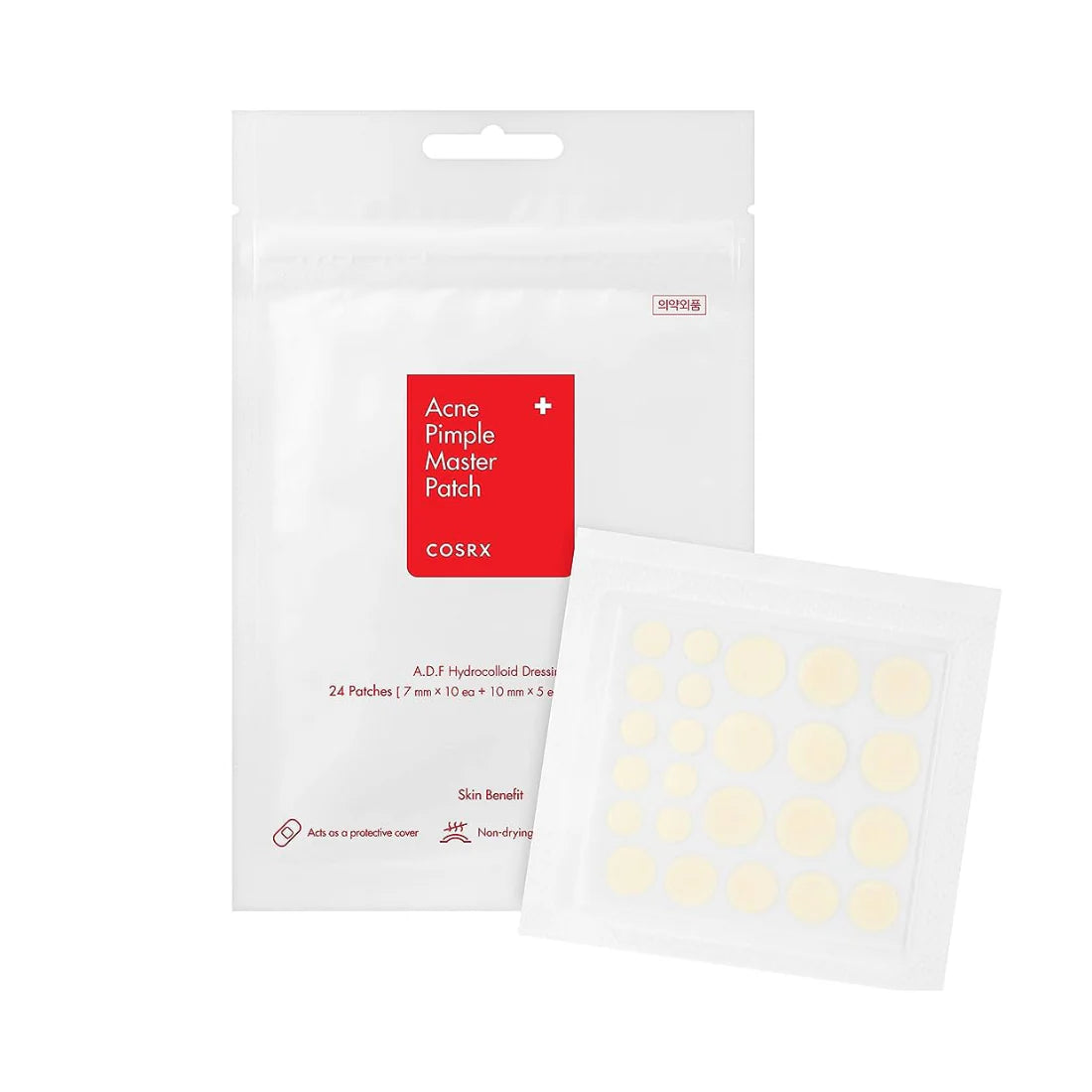
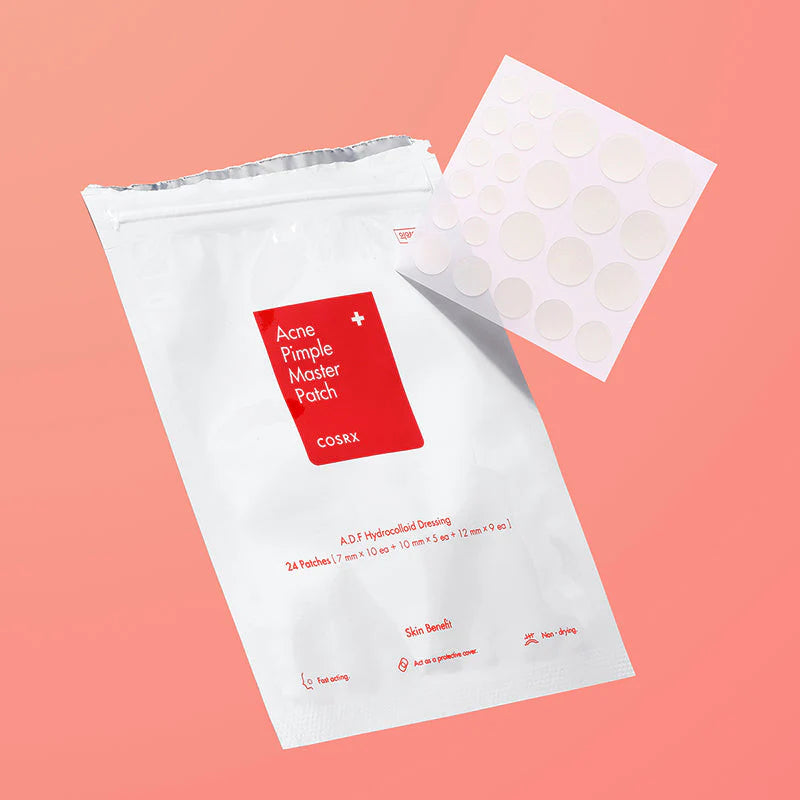
- Hydrocolloid patches can protect a superficial spot from touching and absorb fluid.
- Sun protection complements daily care and is particularly important when caring for dark marks left after breakouts.
Ingredients for blemish and pore care
- Salicylic acid, or BHA, is used in exfoliating pore care and surface skin renewal.
- AHA and PHA help remove dead surface skin cells and support smoother-looking texture.
- Niacinamide supports the skin barrier and a more even-looking complexion.
- Centella asiatica and panthenol complement soothing care when skin feels sensitive or dry.
- Ceramides and glycerin help maintain hydration, which oily skin also needs.
An ingredient name alone does not guarantee that a product will suit your skin. Consider the complete formula, directions for use and your individual response. More active ingredients do not automatically mean better results.
Everyday habits for a comfortable routine
Avoid squeezing spots and using harsh scrubs. Introduce new products one at a time so you can identify what works for your skin. An acid toner, exfoliating pads and other active treatments do not all need to be used together. If your skin starts stinging, peeling or becoming noticeably red, reduce active treatments and focus on gentle care.
Do not try to remove all oil by repeatedly cleansing your face. Aim for comfortable skin rather than a stripped feeling, and adjust optional treatments according to your tolerance.
Frequently asked questions about blemish care
Does oily, breakout-prone skin need a moisturiser?
Yes. Oiliness and hydration are different. Choose a comfortable texture that does not feel heavy and monitor how your skin tolerates it.
Are patches suitable for every spot?
No. Basic hydrocolloid patches are most useful for superficial spots with fluid. They are not a treatment for deep, painful breakouts.
When should I see a dermatologist?
Seek advice if breakouts are deep, painful, leave scars, persist or significantly affect your wellbeing. A dermatologist can recommend an individual treatment plan.