






Face Serums – K-Beauty and Asian Active Ingredient Care
Serum is the most concentrated and active product in a facial care routine, designed to address specific skin concerns. Unlike a cream, serum has smaller molecules that penetrate deeper into the skin and work more precisely. In K-beauty and Japanese cosmetics, serums are one of the most important routine steps – they can address moisturizing, pigmentation, wrinkles, acne, pores, and many other skin problems. In Cremile's serum collection, you'll find K-beauty and Japanese brand serums with scientifically-based active ingredients: niacinamide, vitamin C, retinal, hyaluronic acid, peptides, and more.
Serums by Skin Concern
- Moisturizing Serums – with hyaluronic acid, panthenol, glycerin, and plant moisturizing extracts. Ideal for dehydrated, dry, and normal skin as the main moisturizing step.
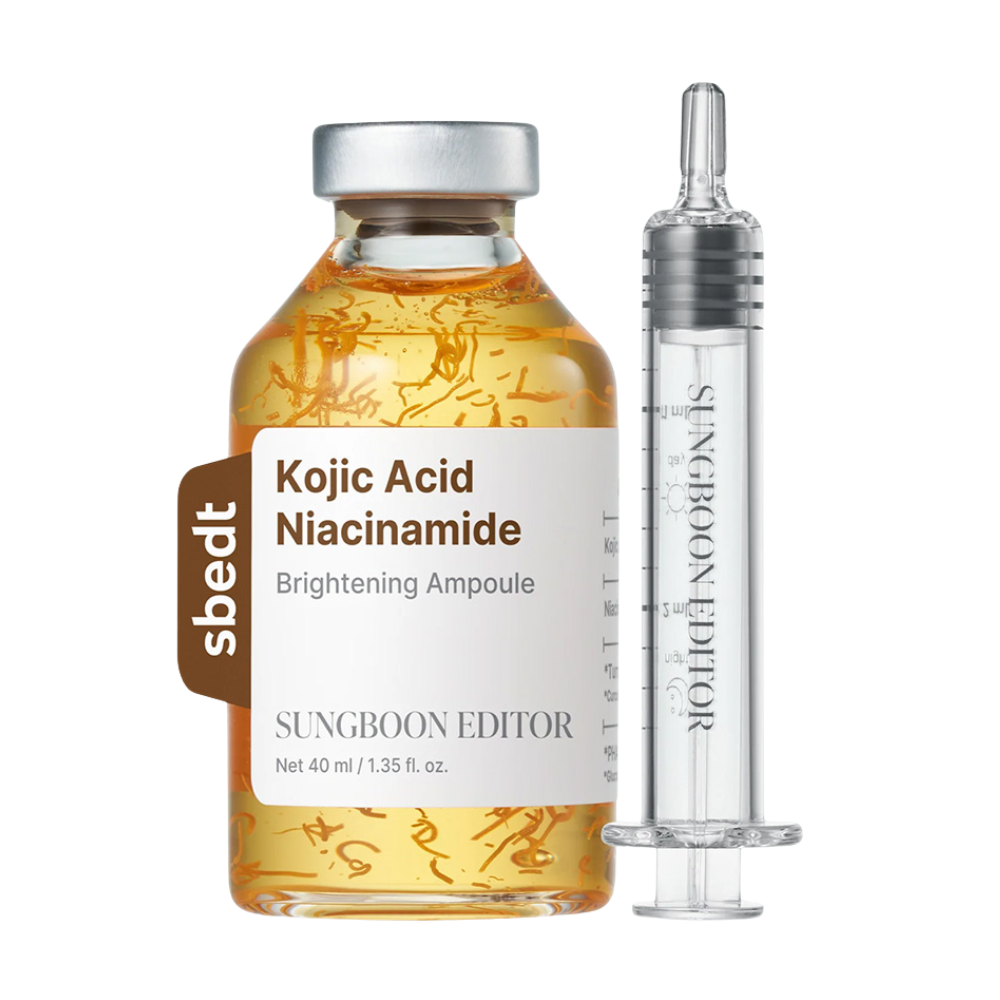
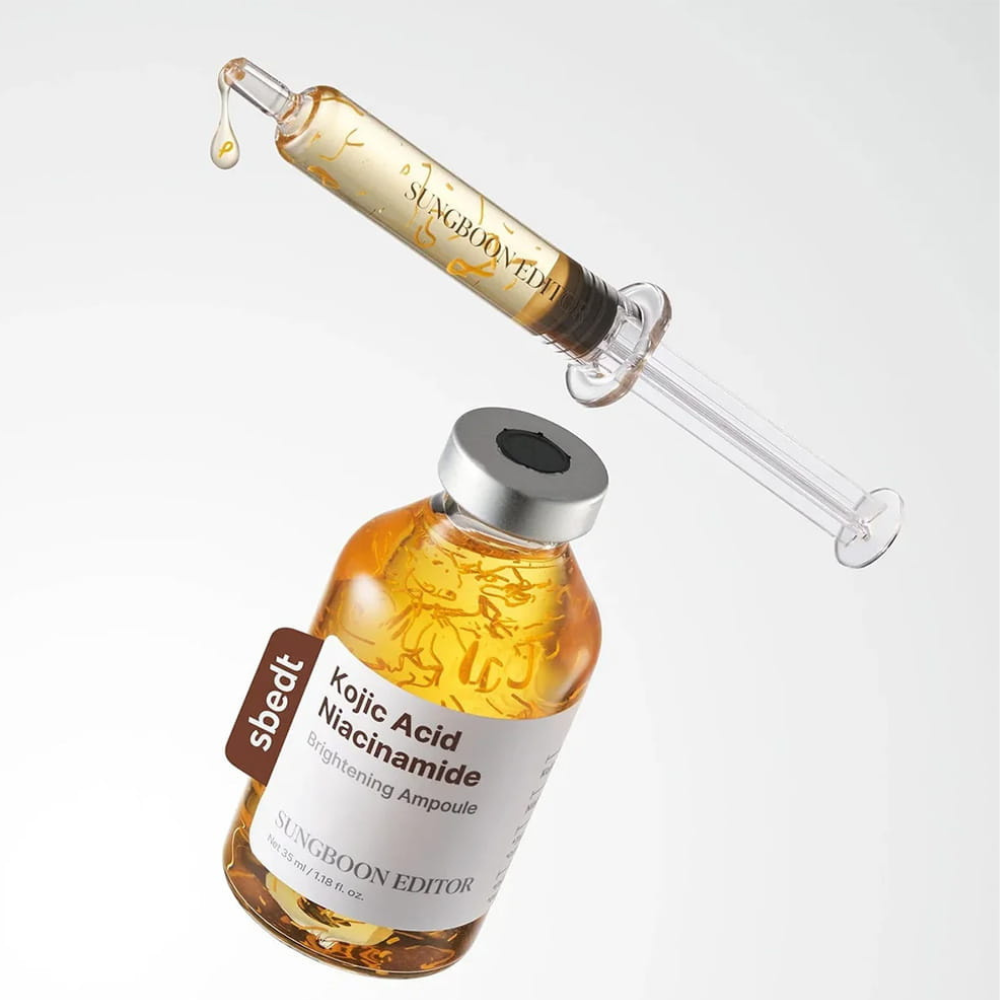
- Brightening Serums – with vitamin C, niacinamide, tranexamic acid (TXA), arbutin, or kojic acid. Reduce pigmentation, even out skin tone, and provide radiance.
- Anti-Age Serums – with retinal, retinol, bakuchiol, peptides, or collagen. Reduce fine lines, improve skin elasticity and density.
- Soothing Serums – with centella asiatica (cica), aloe vera, oat extract, or beta-glucan. Calm reactive, reddened, and barrier-damaged skin.
- Acne and Pore Serums – with salicylic acid, azelaic acid, niacinamide, or tea tree extract. Cleanse pores, reduce acne, and regulate sebum production.
- Barrier Strengthening Serums – with ceramides, cholesterol, fatty acids, and peptides. Restore the damaged skin barrier and reduce reactivity.
Most Popular K-Beauty Serum Active Ingredients
- Niacinamide (Vitamin B3) – one of the most versatile K-beauty ingredients. Reduces pigmentation, regulates sebum production, strengthens the barrier, and works gently even on sensitive skin. Effective at 5–10% concentrations.
- Hyaluronic Acid – an intensive moisturizer capable of retaining up to 1000x its weight in moisture. K-beauty formulas often use a multi-molecular weight combination for deeper moisturizing.
- Retinal – the most potent unconverted retinoid form, 11x more effective than retinol. Reduces wrinkles, improves skin texture, and stimulates cell renewal.
- Vitamin C – an antioxidant, brightening, and collagen synthesis-stimulating ingredient. K-beauty formulas often use more stable vitamin C forms (ascorbyl glucoside, 3-O-ethyl ascorbic acid).
- Tranexamic Acid (TXA) – an effective pigmentation-reducing ingredient, especially popular in K-beauty brightening serums.
- Peptides – short protein chains stimulating collagen production and skin renewal without irritation.
- Centella Asiatica – a soothing, barrier-strengthening, and regenerative plant ingredient – a K-beauty classic.
How to Use Serums in a Facial Care Routine?
- Serum applied after toner and before cream – thin molecules first, thicker ones after. Serum after toner, cream at the end.
- Amount – a few drops – serums are concentrated, so 2–4 drops are sufficient for the entire face surface. More doesn't mean better.
- Layering – you can use 1–2 serums simultaneously. First – water-based (thinner texture), then – oil-based (thicker texture).
- Active ingredients – carefully – serums with retinal, vitamin C, and acids should first be tested on a small skin area and started with less frequent use.
- SPF during the day – when using brightening or anti-age serums with active ingredients, sun protection is mandatory during the day.
Frequently Asked Questions (FAQ)
How does serum differ from cream?
Serum has smaller molecules and a higher concentration of active ingredients – it works precisely and deeper. Cream has larger molecules, creates a protective barrier, and locks in the moisture provided by serum. They complement each other: serum addresses a specific concern, cream protects and moisturizes. Using one instead of the other is not recommended.
Can multiple serums be used simultaneously?
Yes – 1–2 serums can be layered. It is recommended to start with a water-based serum (lighter texture) and then apply an oil-based one. It is important to avoid incompatible ingredient combinations: vitamin C and niacinamide in high concentrations together, retinal and acids at the same time. If you're unsure about compatibility, use different serums morning and evening.
From what age are anti-age serums recommended?
Preventive anti-age care is recommended from age 25–28 – when natural collagen production begins to slow. Gentle peptide and antioxidant serums are suitable from age 20. Strong retinal or concentrated vitamin C serums are suitable from age 28–30. It is important to gradually introduce active ingredients and always use SPF during the day.