
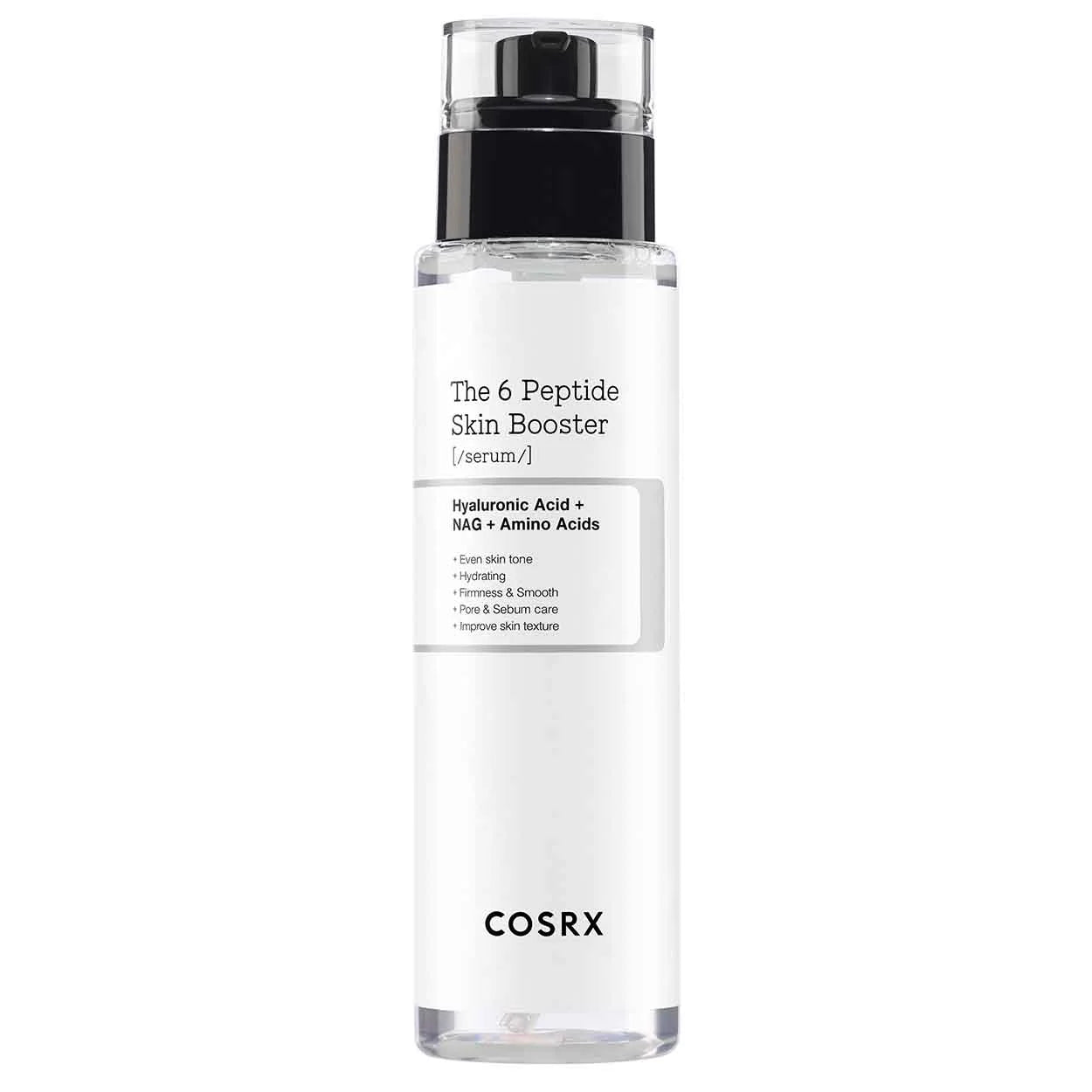
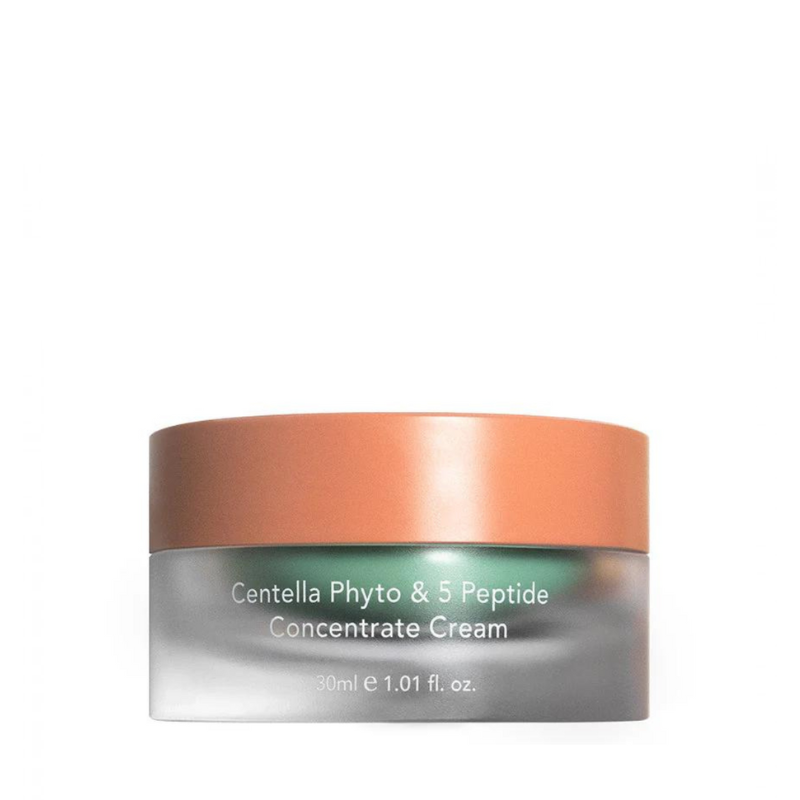
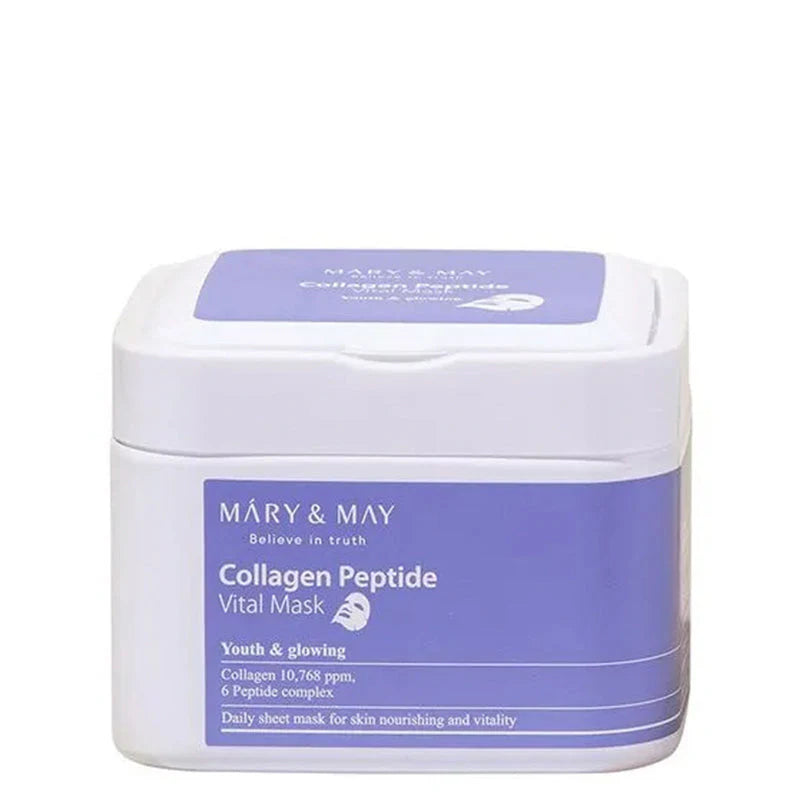
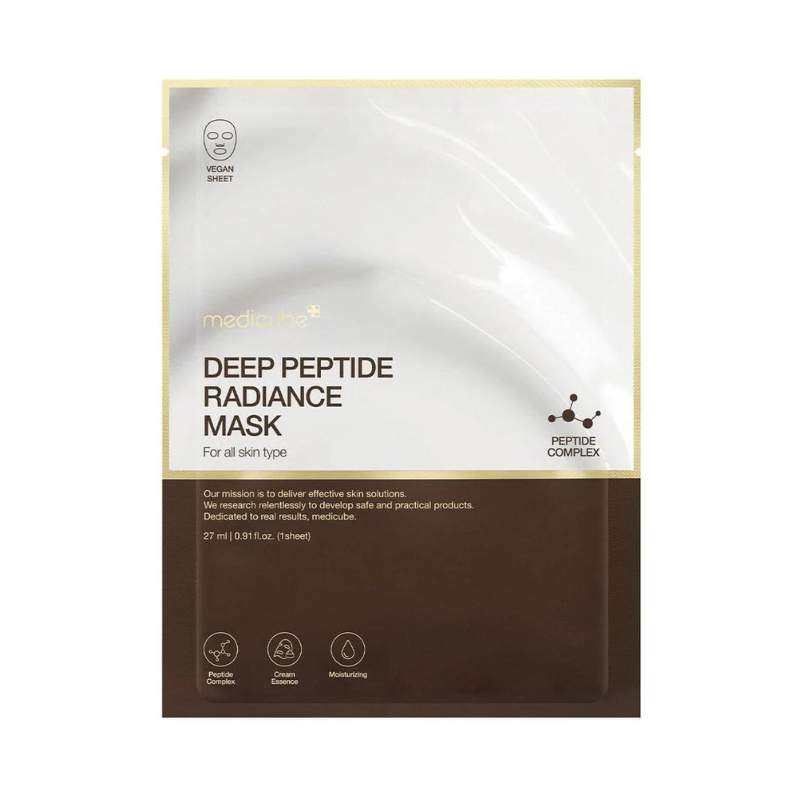
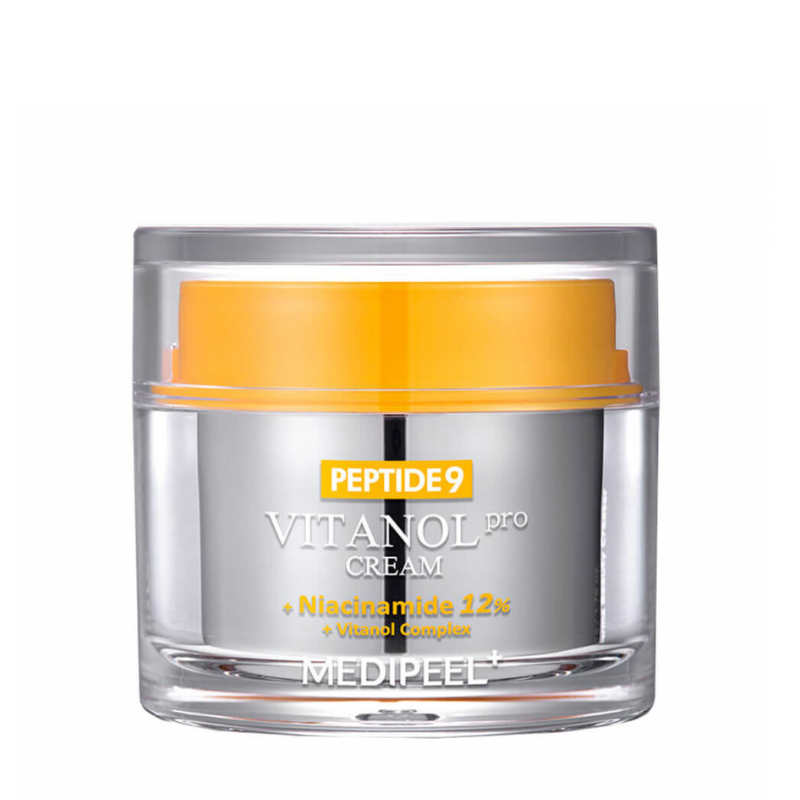
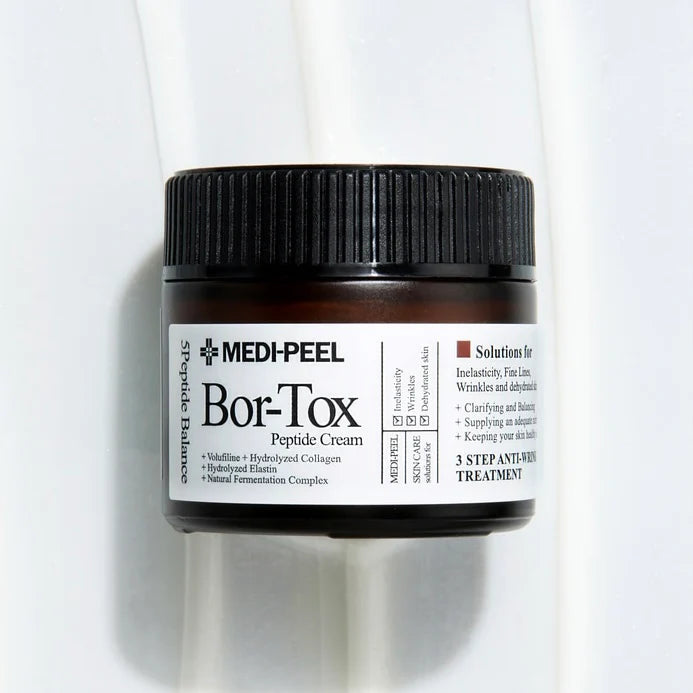
Peptides – The Foundation of Anti-Age and Skin Renewal in K-Beauty Cosmetics
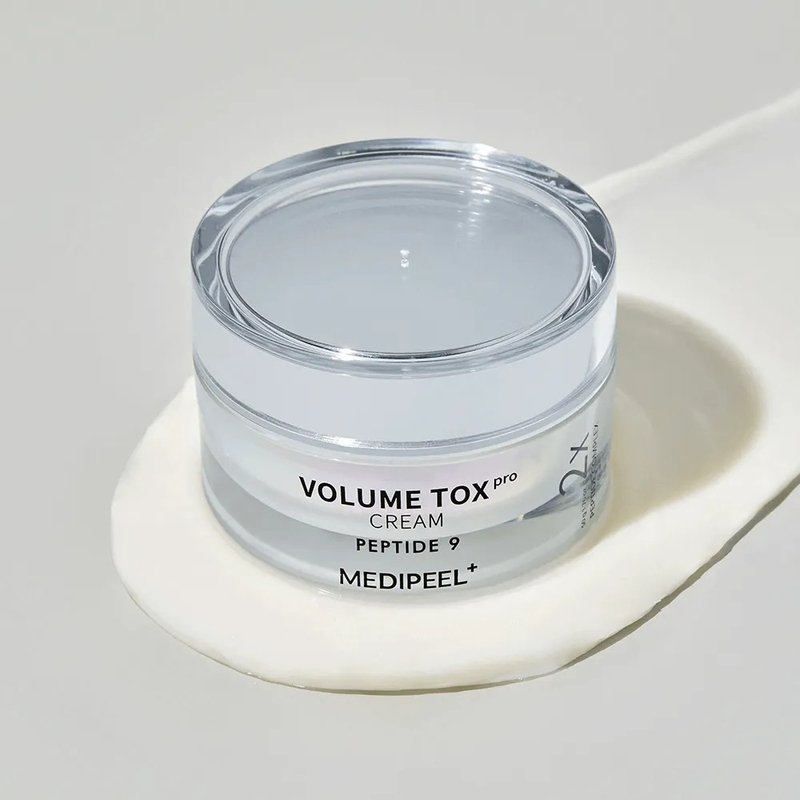
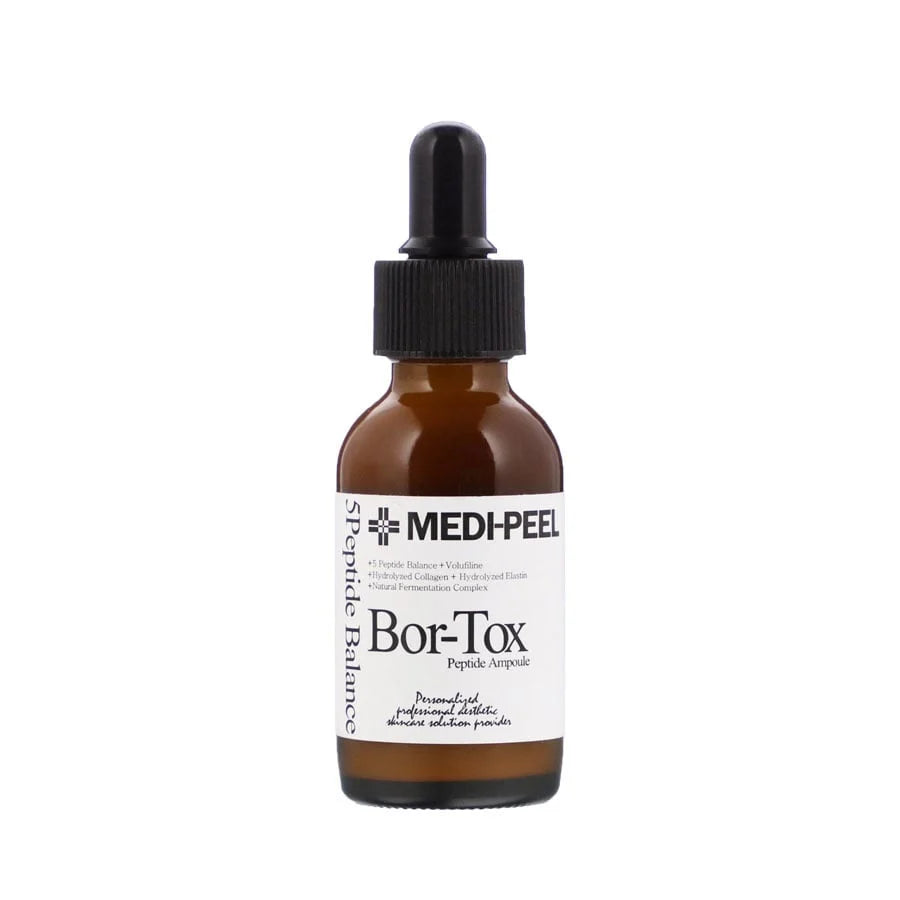
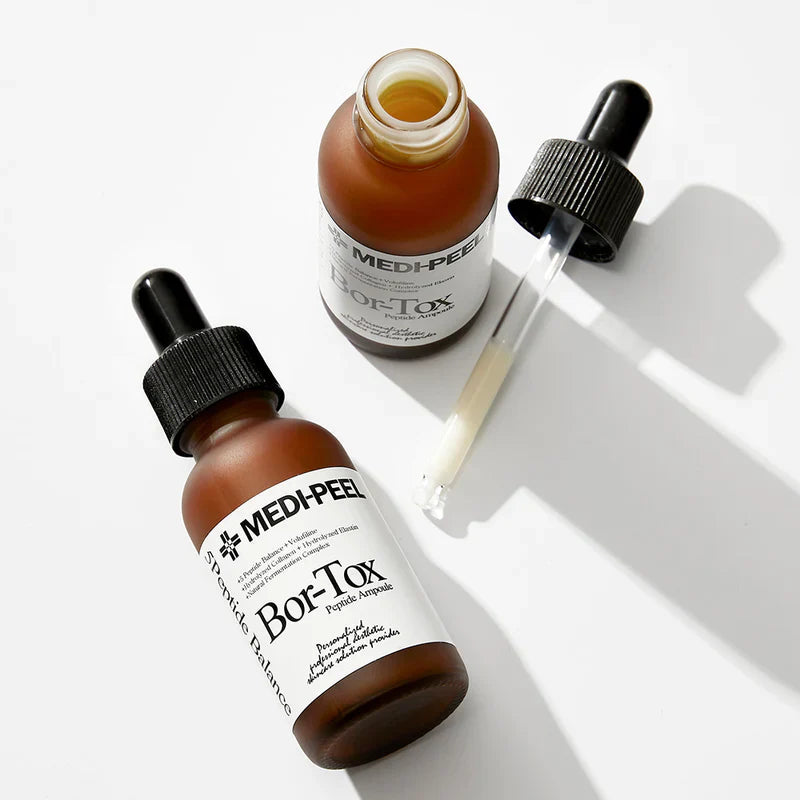
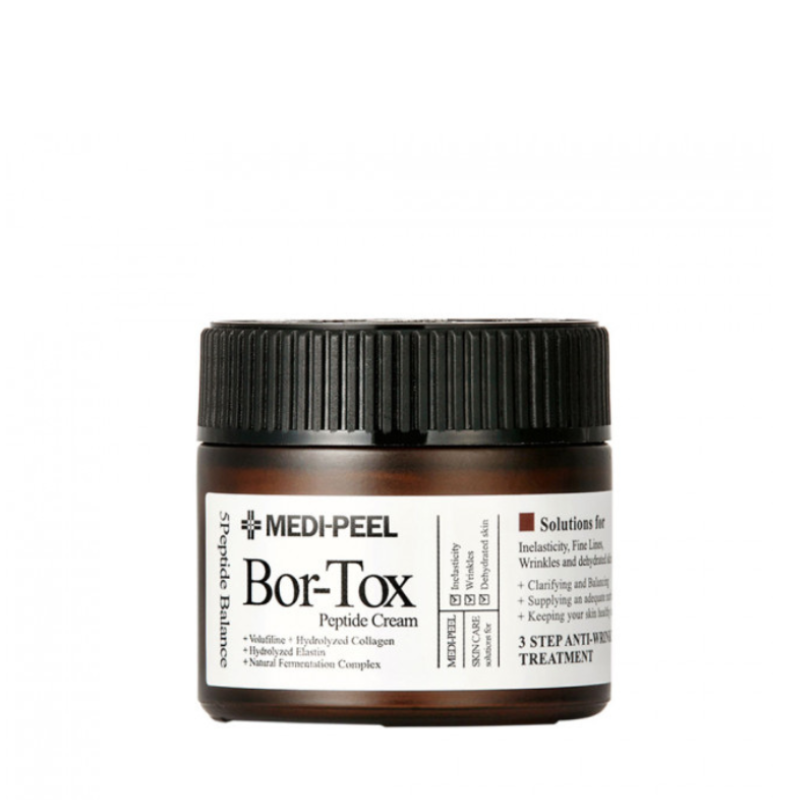
Peptides are short amino acid chains that act as signaling molecules in the skin. They "give instructions" to skin cells to produce more collagen, elastin, and other structural proteins – thereby stimulating skin renewal from within. In K-beauty cosmetics, peptides are one of the most important anti-age ingredients, widely used in serums, creams, eye products, and specialized formulas. In Cremile's peptides collection, you'll find the best K-beauty products with various peptide complexes.
How Do Peptides Act on Skin?
- Stimulate Collagen Synthesis – peptides signal skin fibroblasts to produce more collagen, reducing wrinkles and improving skin firmness.
- Strengthen Skin Barrier – barrier peptides (e.g., Matrixyl) stimulate ceramide production and improve skin barrier function.
- Muscle Relaxation Effect – neuropeptides (e.g., Argireline) gently relax facial muscle tension, reducing expression wrinkles.
- Moisturizing Action – some peptides, such as those mimicking hyaluronic acid, feature intensive moisturizing action.
- Skin Renewal – regenerative peptides stimulate skin cell renewal and wound healing.
Most Popular Peptide Types in K-Beauty
- Matrixyl (palmitoyl pentapeptide-4) – one of the most well-known collagen synthesis-stimulating peptides. Reduces deep wrinkles and improves skin structure.
- Argireline (acetyl hexapeptide-3) – a neuropeptide that gently relaxes facial muscle tension and reduces expression wrinkles around the eyes and forehead.
- Syn-Ake – a peptide mimicking snake venom that reduces expression wrinkles.
- Copper Peptides (GHK-Cu) – copper peptides that stimulate skin renewal, collagen synthesis, and have anti-inflammatory action.
- Peptide-132 (COSRX) – an innovative K-beauty peptide complex used in hair bonding technology.
Product Types with Peptides
- Face Serums – high-concentration peptide serums for intensive anti-age effect and skin firmness.
- Face Creams – peptide creams for moisturizing, barrier strengthening, and anti-age action.
- Eye Creams and Serums – specialized peptide products for the delicate eye area, reducing expression wrinkles and improving firmness.
- Toners and Essences – light peptide products for the first skin preparation step.
- Hair Care – peptides in hair masks and serums for hair structure restoration.
Most Popular Peptide Combinations in K-Beauty
- Peptides + Retinol/Retinal – a synergistic anti-age combination: peptides strengthen the barrier and reduce retinol-induced irritation, while retinol accelerates skin renewal.
- Peptides + Niacinamide – collagen synthesis + skin tone evening. A universal anti-age and brightening combination.
- Peptides + Hyaluronic Acid – skin structure strengthening + moisturizing. The primary anti-age moisturizing combination.
- Peptides + PDRN – double regenerative effect for collagen synthesis and skin renewal.
- Peptides + Vitamin C – collagen synthesis + antioxidant effect and brightening action.
Frequently Asked Questions (FAQ)
Do peptides really work for anti-age effect?
Yes – peptides are one of the best clinically confirmed anti-age ingredients. Matrixyl, Argireline, and other peptides have numerous clinical studies confirming their effectiveness in reducing wrinkles and improving skin firmness. Unlike retinol, peptides work gently and without irritation – making them ideal even for sensitive skin and daytime routine.
From what age is it worth starting to use peptide products?
Peptides are universal and suitable from age 25 preventively – especially as a complement to a moisturizing cream. From age 30 – it's worth using specialized peptide serums. From ages 35–40 – intensive peptide complexes (Matrixyl, Argireline, copper peptides) as the main anti-age step in the routine. Peptides have no contraindications by age – the earlier you start, the longer you'll maintain skin firmness.
Can peptides be combined with acids (AHA/BHA)?
It is recommended to avoid a direct combination of peptides and AHA/BHA acids in the same routine step – an acidic environment can weaken peptide effectiveness. It's best to use acids separately in the evening routine (e.g., in a toner), and the peptide serum – after the skin returns to a neutral pH. Or – use acids several evenings a week, peptides daily.