
Retinol – The Most Powerful Anti-Age Ingredient in K-Beauty and Global Cosmetics
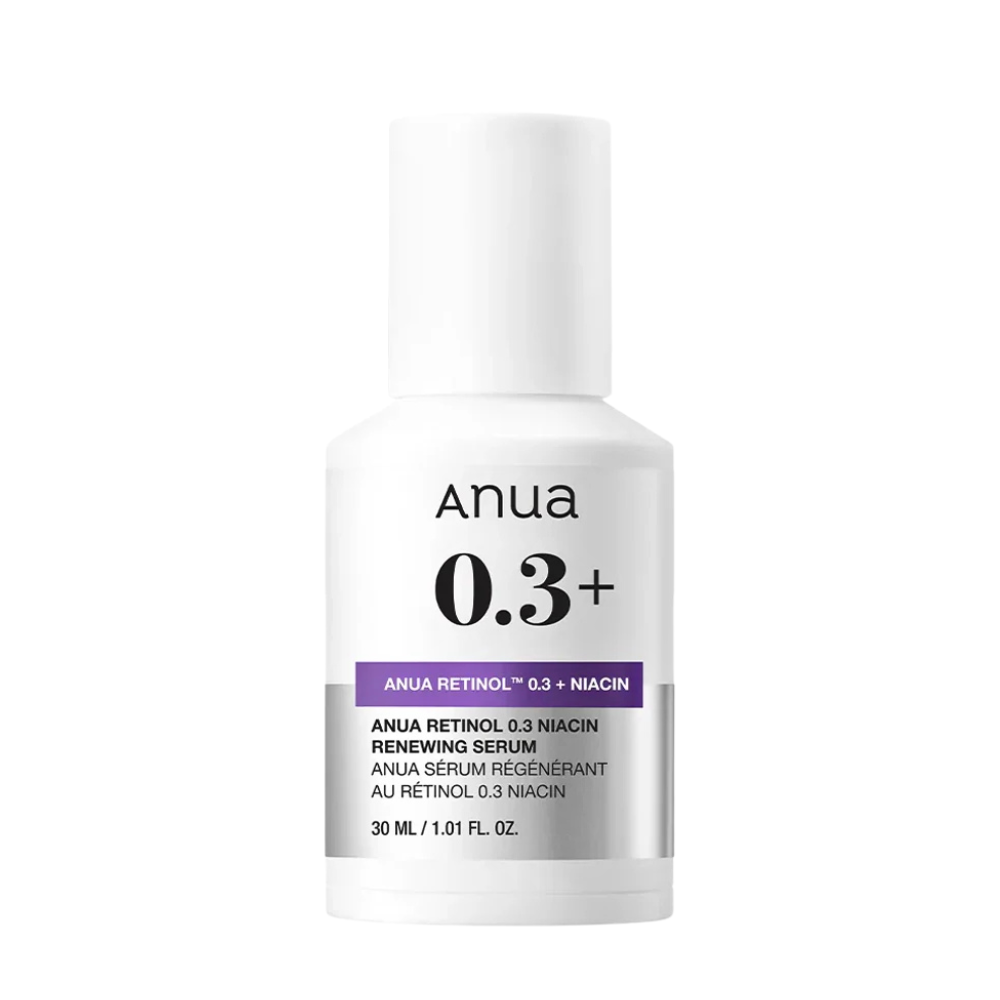
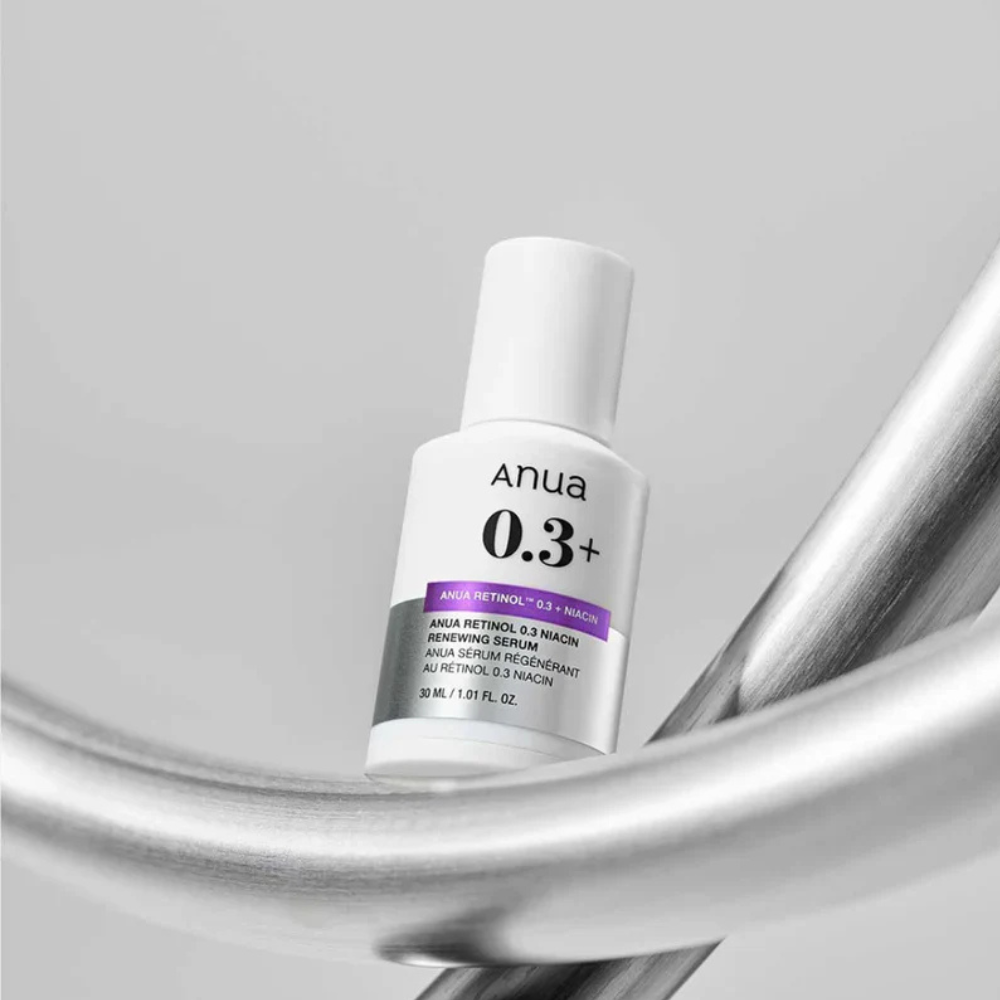
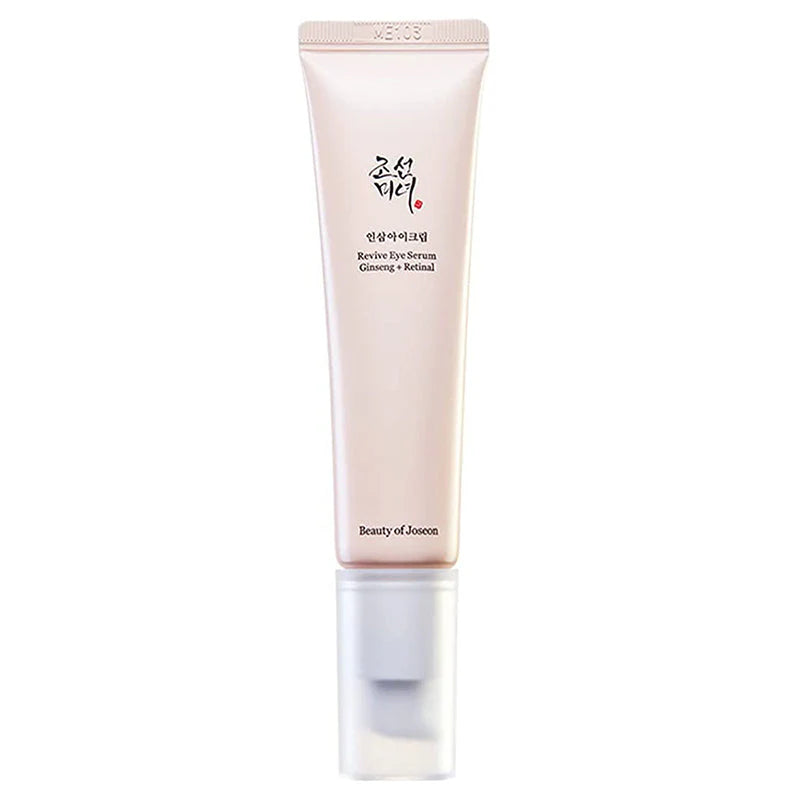
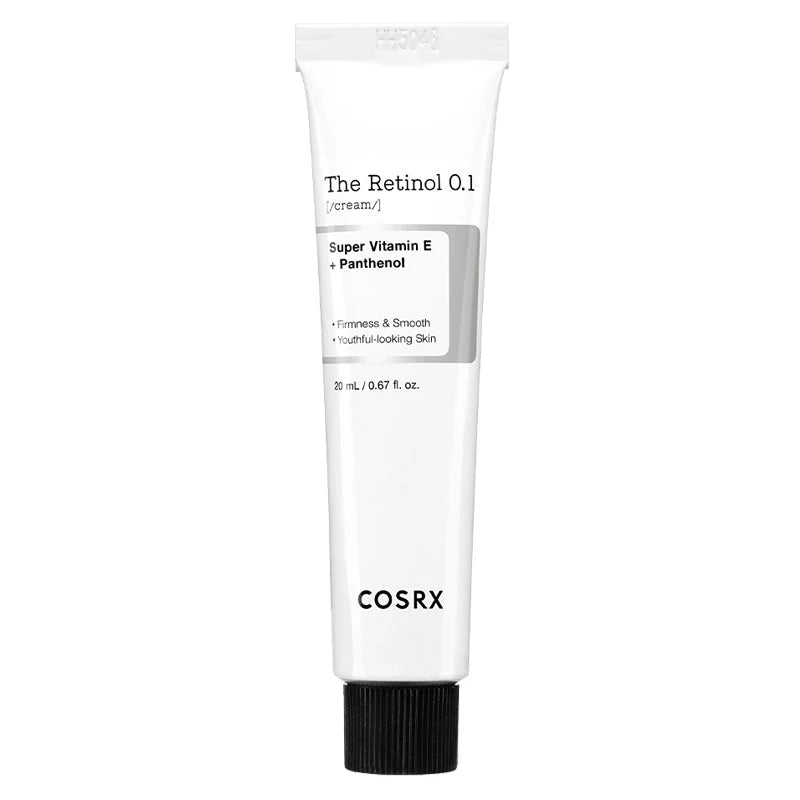
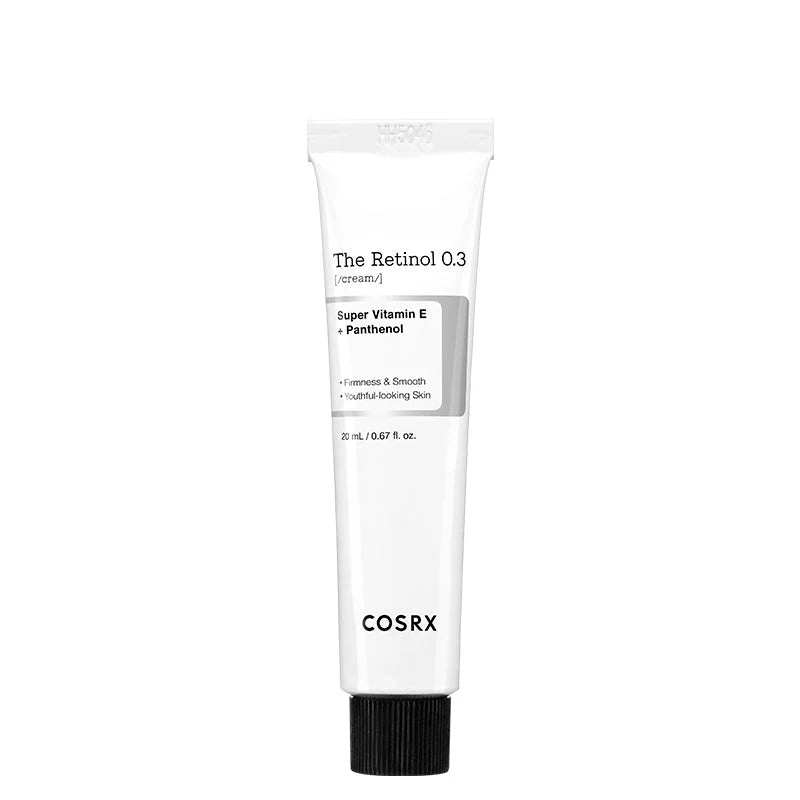
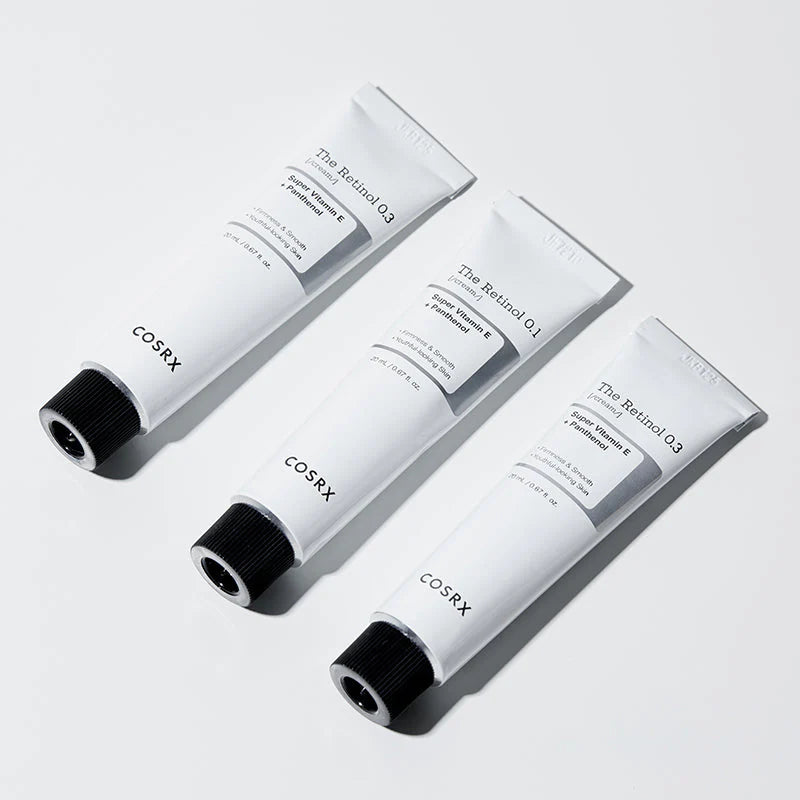
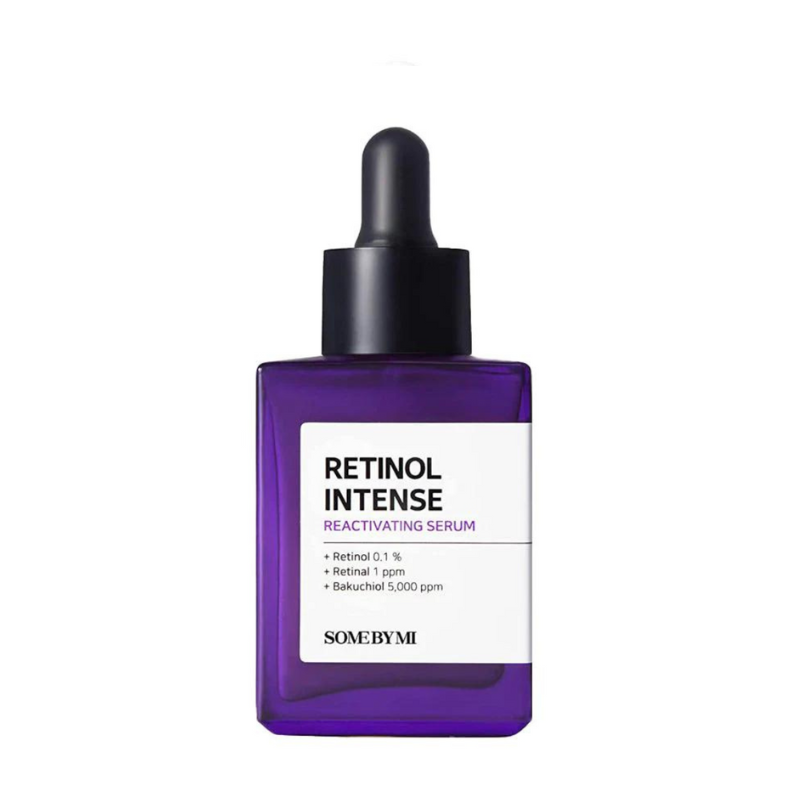
Retinol (vitamin A) is one of the most scientifically researched and clinically confirmed anti-age ingredients in cosmetics. It acts on the skin cell renewal process, stimulates collagen synthesis, evens texture, reduces wrinkles, and improves skin tone. In K-beauty cosmetics, retinol and its more powerful derivatives (retinal, retinyl esters) are integrated into innovative formulas that work effectively but more gently than traditional prescription retinoid products. In Cremile's retinol collection, you'll find serums, creams, eye products, and other products with retinol and retinol-related ingredients.
The Retinol Family – From Mildest to Strongest
- Retinyl Esters (retinyl palmitate, retinyl acetate) – the mildest member of the retinol family. Skin converts them to retinol in several steps. Suitable for beginners and sensitive skin.
- Retinol – the classic OTC (over-the-counter) retinoid. Stronger than esters, converted to retinoic acid in the skin. Effective for anti-age action at 0.025–1% concentration.
- Retinal (retinaldehyde) – one conversion step closer to retinoic acid than retinol. Up to 11 times more potent than retinol, but still OTC. K-beauty's favorite due to effectiveness and relatively less irritation.
- Bakuchiol – a plant-based retinol-mimicking ingredient. Does not have a vitamin A structure but works through similar mechanisms. Ideal for vegans, pregnant women, and very sensitive skin.
Product Types with Retinol
- Face Serums – high-concentration retinol and retinal serums for intensive anti-age effect.
- Face Creams – retinol-enriched night creams with moisturizing ingredients, reducing irritation.
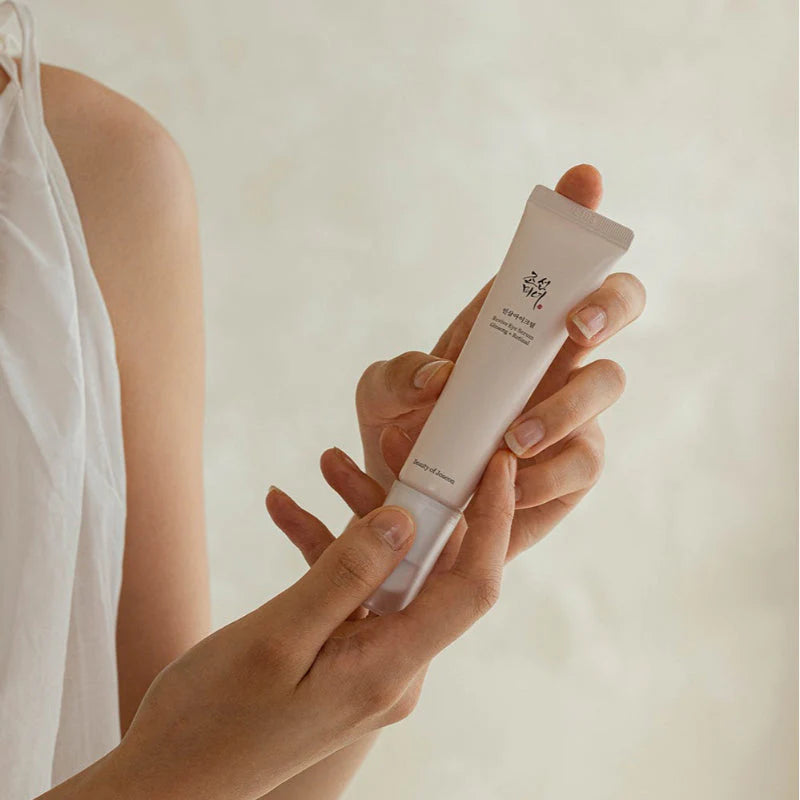
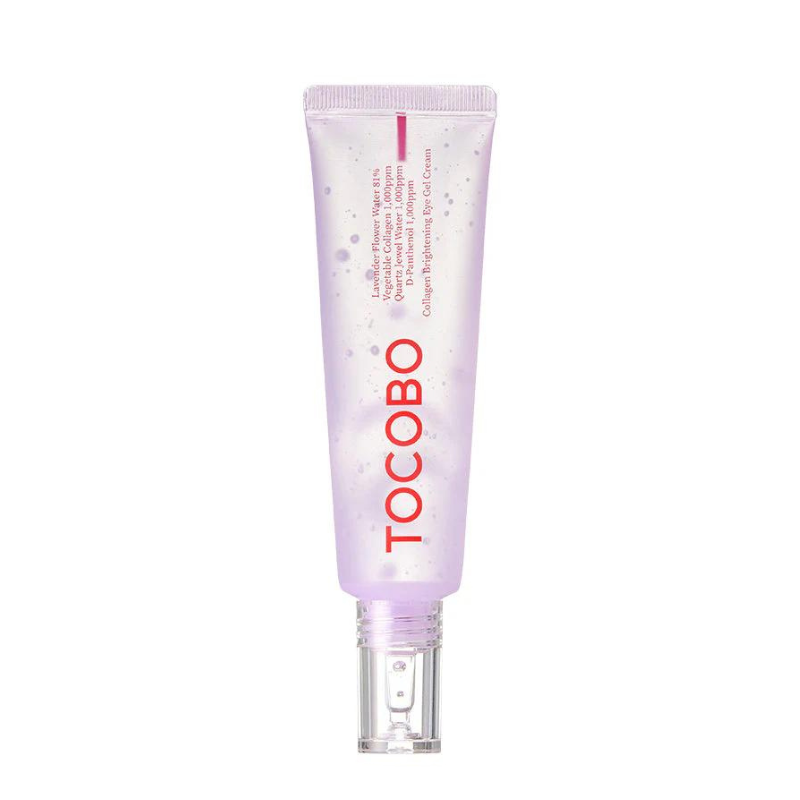
- Eye Creams and Serums – lower concentration retinol products for the delicate eye area skin.
- Toners and Essences – gentle retinol formulas for beginners.
- Patches and Masks – retinal eye patches and face masks for a procedural effect.
Most Popular Retinol Combinations in K-Beauty
- Retinol/Retinal + Peptides – a synergistic anti-age combination: peptides strengthen the barrier and reduce retinol-induced irritation.
- Retinol + Niacinamide – anti-age + skin tone evening. Niacinamide reduces retinol-induced redness and enhances its effectiveness.
- Retinol + Hyaluronic Acid – anti-age + moisturizing. Hyaluronic acid compensates for retinol-induced dryness.
- Retinol + Ceramides – anti-age + barrier restoration. Ceramides protect skin from retinol-induced damage.
- Retinal + PDRN – double regenerative and anti-age effect. One of the most powerful K-beauty anti-age combinations.
Frequently Asked Questions (FAQ)
How to start using retinol and avoid irritation?
For beginners, we recommend starting with a low concentration (0.025–0.05% retinol or 0.01–0.025% retinal) and using 1–2 times per week in the evening. Gradually increase frequency every 2–4 weeks. Use the "sandwiching" technique: first apply a moisturizing cream, then retinol serum, then cream again – this will reduce irritation. Always use SPF in the morning – retinol increases photosensitivity.
What is the difference between retinol and retinal?
Retinal is one conversion step closer to retinoic acid (the biologically active form of retinol) than retinol – therefore more effective at lower concentrations. Studies show that retinal is up to 11 times more potent than retinol, but irritates skin less than retinoic acid. K-beauty particularly loves retinal for this ratio of effectiveness to tolerance. For beginners, it's better to start with retinol, while experienced users can choose retinal.
Can retinol be used in summer and during pregnancy?
In summer, retinol can be used, but only in the evening and with strict SPF protection in the morning – retinol increases photosensitivity and skin sensitivity to UV rays. During pregnancy and breastfeeding, retinol and all retinoid derivatives (including retinal) are not recommended due to possible risk. Pregnant and breastfeeding women should choose bakuchiol – a plant-based retinol alternative considered safe.